
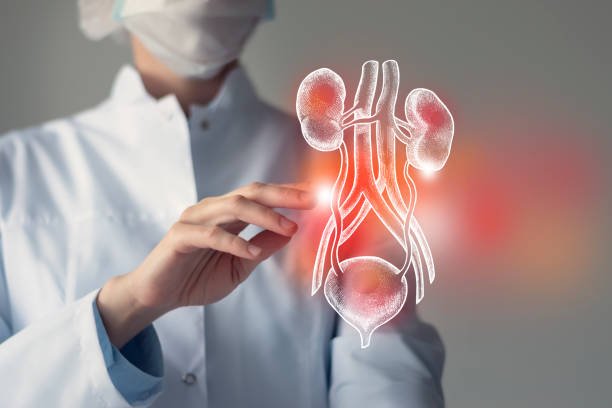
A Urinary Tract Infection (UTI) is a common bacterial infection that affects any part of the urinary system, including the kidneys, bladder, ureters, and urethra. While UTIs are typically not life-threatening, they can cause significant discomfort and, if left untreated, may lead to severe complications such as kidney infections (pyelonephritis), sepsis, or permanent kidney damage. Early diagnosis and treatment are crucial to prevent these risks and ensure a quick recovery.
Symptoms, Causes, and Risk Factors of UTI
Common Symptoms of UTI
UTI symptoms can vary based on which part of the urinary tract is affected. Typical signs include:
- A strong, persistent urge to urinate
- A burning sensation during urination
- Cloudy or foul-smelling urine
- Pelvic pain (especially in women)
- Blood in urine (hematuria)
- Lower abdominal discomfort
- Fever or chills (when infection reaches kidneys)
Causes of UTIs
Urinary tract infections are usually caused by bacteria, most commonly Escherichia coli (E. coli), which normally live in the colon. These bacteria can enter the urinary tract through the urethra and start to multiply, leading to infection. Other causes include:
- Sexual activity
- Poor hygiene practices
- Urinary catheter use
- Blockages in the urinary tract (like kidney stones)
- Weakened immune system
- Menopause (due to hormonal changes)
Risk Factors
You may be at a higher risk of developing UTIs if you:
- Are female (due to a shorter urethra)
- Are sexually active
- Use certain types of birth control like diaphragms
- Have diabetes
- Have a urinary catheter or recent urinary surgery
- Are pregnant
- Have a history of UTIs
UTI in Men vs. Women: Key Differences
Why Are UTIs More Common in Women?
UTIs are significantly more common in women than men, largely due to anatomical differences. The female urethra is shorter and located closer to the anus, making it easier for bacteria to enter the urinary tract.
Symptoms of UTI in Women:
- Burning sensation while urinating
- Frequent need to urinate
- Pelvic pressure or pain
- Occasional lower back pain
Symptoms of UTI in Men:
Though less frequent, when men do get UTIs, symptoms may include:
- Frequent urination
- Burning or pain during urination
- Discharge from the penis
- Pain in the rectal area or lower abdomen
- Fever and chills (in more severe cases)
UTI Complications in Men:
UTIs in men may indicate a more complicated condition like an enlarged prostate, kidney stones, or urinary tract obstructions. Hence, medical attention is strongly recommended at the earliest signs.
How to Identify a UTI Early
Recognizing a UTI early helps avoid complications like kidney infections. If you experience any of the following, consult a doctor immediately:
- Painful urination lasting more than a day
- Frequent urination even after emptying the bladder
- Unusual urine color or smell
- Pain in the lower abdomen or back
- Fever with chills
Early diagnosis involves a urine test to detect bacteria, white blood cells, or red blood cells. In some cases, imaging or cystoscopy may be advised for recurrent infections.
Treatment for Urinary Tract Infections
Medical Treatment
Most UTIs are treated with a short course of antibiotics. The specific antibiotic and duration depend on the severity and the patient's medical history. It's important to complete the prescribed course even if symptoms improve.
Supportive Measures:
- Drink plenty of water to flush out bacteria
- Use heating pads for pelvic pain relief
- Avoid caffeine and alcohol
- Maintain proper hygiene
Hospitalization May Be Required If:
- The infection has reached the kidneys
- You have a high fever or vomiting
- You are pregnant and experiencing UTI symptoms
- You have underlying health conditions like diabetes
Kapadia Multispeciality Hospital offers personalized UTI treatment plans, tailored diagnostics, and advanced care by expert urologists in Mumbai.
How to Prevent Urinary Tract Infections (UTI)
Preventive care can significantly reduce the risk of UTIs:
- Drink at least 8 glasses of water daily
- Urinate immediately after sexual intercourse
- Wipe from front to back after using the toilet
- Avoid using harsh feminine hygiene products
- Wear breathable cotton underwear
- Don’t hold in urine for long periods
- Maintain good personal hygiene
Kapadia Multispeciality Hospital provides counseling and preventive health checkups to help reduce recurrent UTIs, especially in women and elderly patients.
Conclusion
Urinary Tract Infections, though common, can lead to serious complications if neglected. Early identification, proper hygiene, and timely treatment are essential for recovery and prevention. If you're experiencing any symptoms of UTI, don’t wait, consult the urology experts at Kapadia Multispeciality Hospital in Mumbai, for accurate diagnosis and compassionate care.
FAQs About Urinary Tract Infections (UTI)
Can UTIs go away on their own?
Mild UTIs may resolve without treatment, but it's not advisable to wait. Untreated UTIs can worsen and lead to kidney infections.
Are UTIs contagious?
No, UTIs are not contagious. However, sexual activity can sometimes trigger a UTI, especially in women.
How long does a UTI take to clear up with antibiotics?
With proper antibiotics, most UTIs resolve within 3 to 7 days. Chronic or complicated infections may take longer.
Can men get UTIs?
Yes, though less common, men can get UTIs. It may be associated with prostate issues or obstructions and requires evaluation.
When should I see a doctor for a UTI?
If you experience symptoms like painful urination, fever, blood in urine, or pelvic pain, see a doctor immediately for proper diagnosis.
This article is for general awareness only. It does not replace a consultation, examination, diagnosis or treatment by a qualified doctor.