
Best Laparoscopic Surgeons in Mumbai
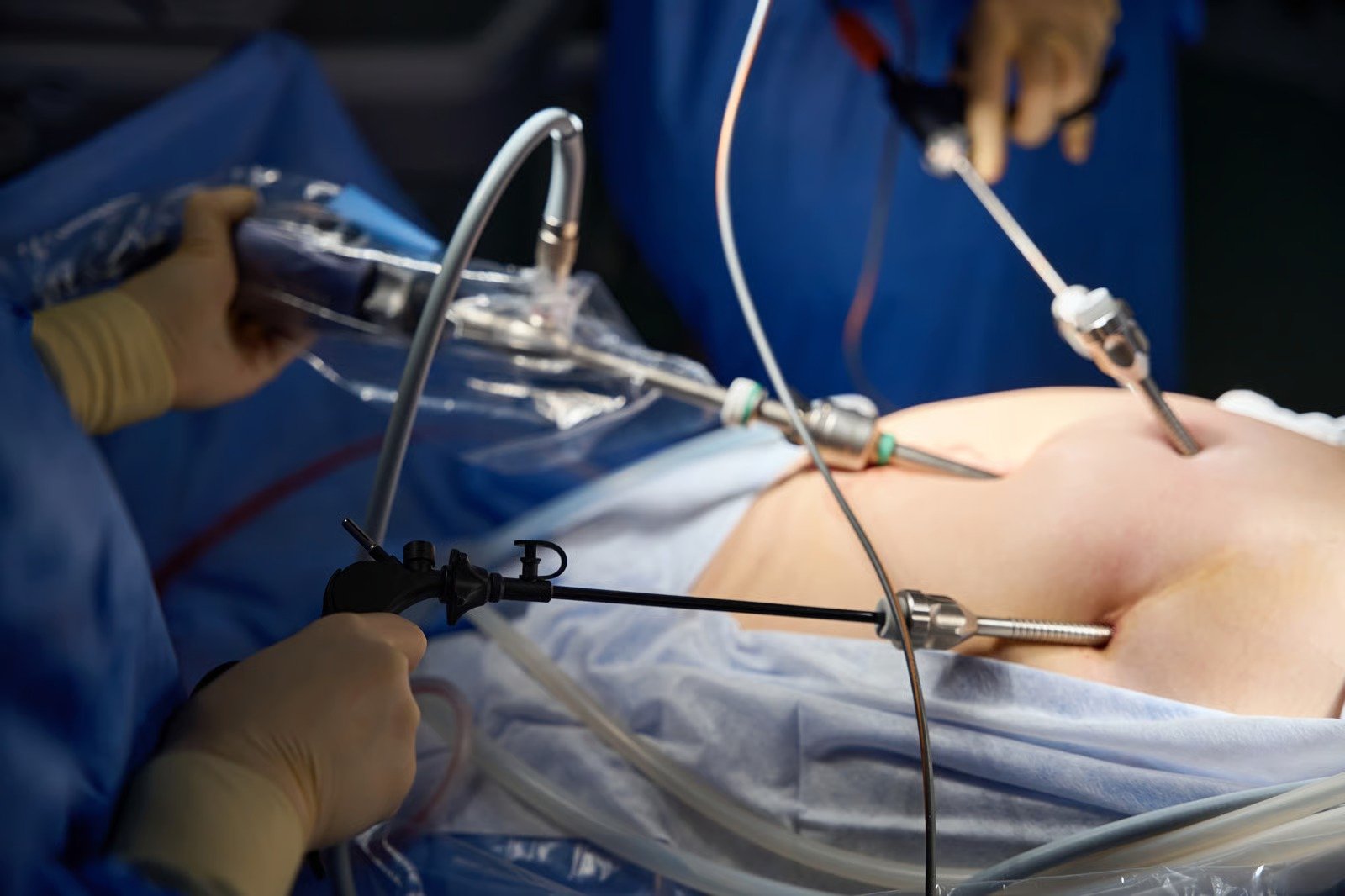
Laparoscopic surgery, also called keyhole surgery, is a modern technique using small incisions and a thin tube called a laparoscope with a camera and light. This allows Laparoscopic surgeons to view the inside of the body on a monitor and perform procedures with precision.
What is Laparoscopic Surgery?
Laparoscopic surgery, also called keyhole surgery, is a modern technique using small incisions and a thin tube called a laparoscope with a camera and light. This allows Laparoscopic surgeons to view the inside of the body on a monitor and perform procedures with precision.
Laparoscopic surgery is commonly used for abdominal and pelvic surgeries like gallbladder removal, hernia repair, appendicitis treatment, and gynecological procedures, it offers many benefits. These include less pain, smaller scars, faster recovery, and shorter hospital stays compared to traditional open surgery.
Consult a specialist at Kapadia Multispeciality Hospital , to learn more about the procedure, treatment options, and associated costs.
Signs You Might Need Laparoscopic Surgery
Laparoscopic surgery is often recommended for diagnosing or treating specific medical conditions. Here are common signs or symptoms that may indicate the need for laparoscopic surgery:
Keyhole Surgery for Faster Recovery.
Our most common laparoscopic procedures - explore each one.
Causes for Laparoscopic Surgery
Laparoscopic surgery is often used to treat a variety of medical conditions, particularly those affecting the abdomen and pelvis. Here are some common causes that may lead to the need for laparoscopic surgery:

Conditions like gallstones or gallbladder inflammation (cholecystitis) can cause pain and discomfort, often requiring gallbladder removal through laparoscopy.
A hernia occurs when an organ pushes through the abdominal wall or muscle, and laparoscopic surgery is commonly used for hernia repair.
In cases of appendicitis, the appendix may need to be removed through a minimally invasive laparoscopic procedure to avoid complications.
Laparoscopy is frequently used for conditions like endometriosis, ovarian cysts, fibroids, or other pelvic issues, offering effective diagnosis and treatment.
Laparoscopic surgery can help in diagnosing or treating bowel obstructions, Crohn's disease, or other intestinal issues.
In some cases, ectopic pregnancies can be treated through laparoscopic surgery, providing a safer and minimally invasive option.
If you're facing any of these conditions, consult a Laparoscopic specialist in Mumbai at Kapadia Multispeciality Hospital to see if laparoscopic surgery is the right choice for your treatment.
Treatments for Laparoscopic Surgery
Laparoscopic surgery offers a range of treatments that benefit from its minimally invasive approach. Open each point to see the most common procedures performed using laparoscopy at Kapadia Hospital:

A camera-guided keyhole examination used to find the cause of abdominal or pelvic problems when scans and blood tests are inconclusive.
Keyhole removal of the gallbladder to relieve gallstones and inflammation (cholecystitis), usually performed as a day-care procedure.
Minimally invasive mesh repair of inguinal, umbilical, incisional and other hernias through a few small incisions.
Prompt keyhole removal of an inflamed appendix to prevent complications such as rupture and infection.
Laparoscopic treatment of endometriosis, ovarian cysts, fibroids and other pelvic conditions, with less pain and faster recovery.
Removal of a diseased segment of intestine for conditions such as Crohn's disease, obstruction or growths.
Keyhole weight-loss surgery that reduces stomach capacity to support safe, sustained weight loss.
Safe, minimally invasive management of a pregnancy that develops outside the uterus.
Division of internal scar-tissue bands (adhesions) that cause pain or bowel obstruction after previous surgery or infection.
Each of these treatments is performed using advanced laparoscopic tools, which allow for smaller incisions, less post-surgical pain, and quicker recovery compared to traditional surgery. At Kapadia Multispeciality Hospital in Goregaon, Mumbai, our expert team - led by the best laparoscopic surgeon in Mumbai - uses advanced techniques to perform precise, minimally invasive procedures for conditions like gallbladder removal, hernia repair, appendicitis, and gynecological surgeries.
We prioritize patient comfort and quick recovery, offering personalized care to ensure a smoother healing process. With our commitment to advanced surgical methods and comprehensive care, we are leaders in providing effective laparoscopic solutions, improving both health and quality of life. Book an appointment to learn more about the procedure and its cost.
Procedure for Laparoscopic Surgery
Laparoscopic surgery is a minimally invasive technique used to treat various medical conditions with small incisions and high precision. Here is a step-by-step guide of what you can expect, grouped into three simple stages:
Before Your Surgery
Pre-Surgery Consultation. Before the procedure, you will have a consultation with your surgeon to discuss your medical history and the specific condition being treated. The surgeon will explain the laparoscopic approach, its benefits, risks, and what you can expect before, during, and after the surgery. Pre-operative tests may be performed to ensure you are suitable for the surgery.
Anaesthesia Administration. Laparoscopic surgery is generally performed under general anesthesia, meaning you will be asleep during the procedure. For some minor procedures, local anesthesia combined with sedation may be used.
During Surgery
Incisions and Insertion of Instruments. The surgeon makes small incisions, usually about 0.5 to 1 cm, in the targeted area. A thin tube called a laparoscope, with a camera and light, is inserted through these incisions. The camera transmits real-time images of the inside of your body to a monitor, allowing the surgeon to see clearly and work with precision.
Insufflation. To provide space for easier visualization and to help the surgeon navigate the area, the abdomen is inflated with a harmless gas like carbon dioxide. This step temporarily expands the abdominal cavity, giving the surgeon a clear view of the organs.
Surgical Procedure. Once the laparoscope is in place, small instruments are inserted through additional incisions. The surgeon uses these instruments to perform the surgery, which may involve removing tissue, repairing organs, or treating a specific condition.
Monitoring and Adjustments. During the procedure, the surgeon continuously monitors the real-time images provided by the laparoscope. This allows for precise adjustments, ensuring that the surgery is performed accurately and with minimal impact on surrounding tissues.
After Surgery
Closing Incisions. After the procedure, the laparoscope and instruments are removed. The small incisions are then closed with stitches or adhesive strips, and a sterile dressing is applied to the area.
Post-Surgery Care. After the surgery, you will be transferred to a recovery room, where the medical staff will monitor you as you wake up from anesthesia. Depending on the surgery's complexity, you may either be able to go home the same day or stay in the hospital for a short recovery period.
Recovery and Follow-Up. One of the main benefits of laparoscopic surgery is a faster recovery compared to traditional open surgery. Most patients can resume light activities within a few days and return to normal activities within 1-2 weeks, depending on the type of surgery performed. You will have follow-up appointments with your surgeon to monitor healing and address any concerns.
Laparoscopic surgery is a safe and effective option for treating a wide range of conditions. It offers benefits like less pain, minimal scarring, and a quicker recovery time.
Benefits of Laparoscopic Surgery
Frequently Asked Questions About Laparoscopic Surgery:
Quick answers about Laparoscopic Surgery at Kapadia Multispeciality Hospital, Goregaon West.
Yes, laparoscopic surgery is generally safe when performed by a skilled surgeon. It offers many benefits, including reduced risk of infection, smaller incisions, and faster recovery times.
Recovery times vary depending on the procedure, but most patients return to light activities within 1-2 weeks and can resume normal activities within 2-4 weeks.
With any surgery, there are risks, such as infection, bleeding, and injury to surrounding organs. However, the risks are generally lower compared to traditional open surgery.
Typically, 2 to 4 small incisions are made, depending on the procedure. These incisions are much smaller than those in traditional surgery.
Recovery time varies, but most people can return to work or light activities within a week. Full recovery may take a few weeks depending on the type of surgery.
Most patients are candidates for laparoscopic surgery, but it may not be suitable for those with certain health conditions or if complications arise during the procedure.
Related Treatments.
Explore related treatments handled by our senior specialist team at Kapadia Hospital.
Painless day-care circumcision surgery.
Know more about treatment Hernia SurgeryLaparoscopic & open mesh repair for hernia.
Know more about treatment GallstonesLaparoscopic keyhole removal of gallstones.
Know more about treatment AppendixKeyhole appendix removal (appendectomy).
Know more about treatment Ozone TherapyOzone-based healing for chronic, non-healing wounds.
Know more about treatment PodiatrySpecialist foot & ankle and diabetic-foot care.
Know more about treatment Medical PedicureClinical foot care for diabetic & problem feet.
Know more about treatment Neurological TestingNerve & sensation testing for the diabetic foot.
Know more about treatment