
Bariatric Surgery
Implementing alterations to your digestive tract is a component of bariatric surgery, which includes gastric bypass and other weight-loss procedures.
What Is Bariatric Surgery?
Implementing alterations to your digestive tract is a component of bariatric surgery, which includes gastric bypass and other weight-loss procedures. Bariatric surgery is carried out when diet and physical activity are unsuccessful or when you are having serious health issues as a consequence of your weight. There are a few ways to limit your capacity to consume more. Other treatments function by hindering the body's intake of nutrients. Some methods combine the two.
Even though there are numerous advantages to bariatric surgery, it is a substantial treatment with significant risks and negative effects. To assist assure the long-term effectiveness of bariatric surgery, you must also permanently adjust your diet and engage in physical activity.
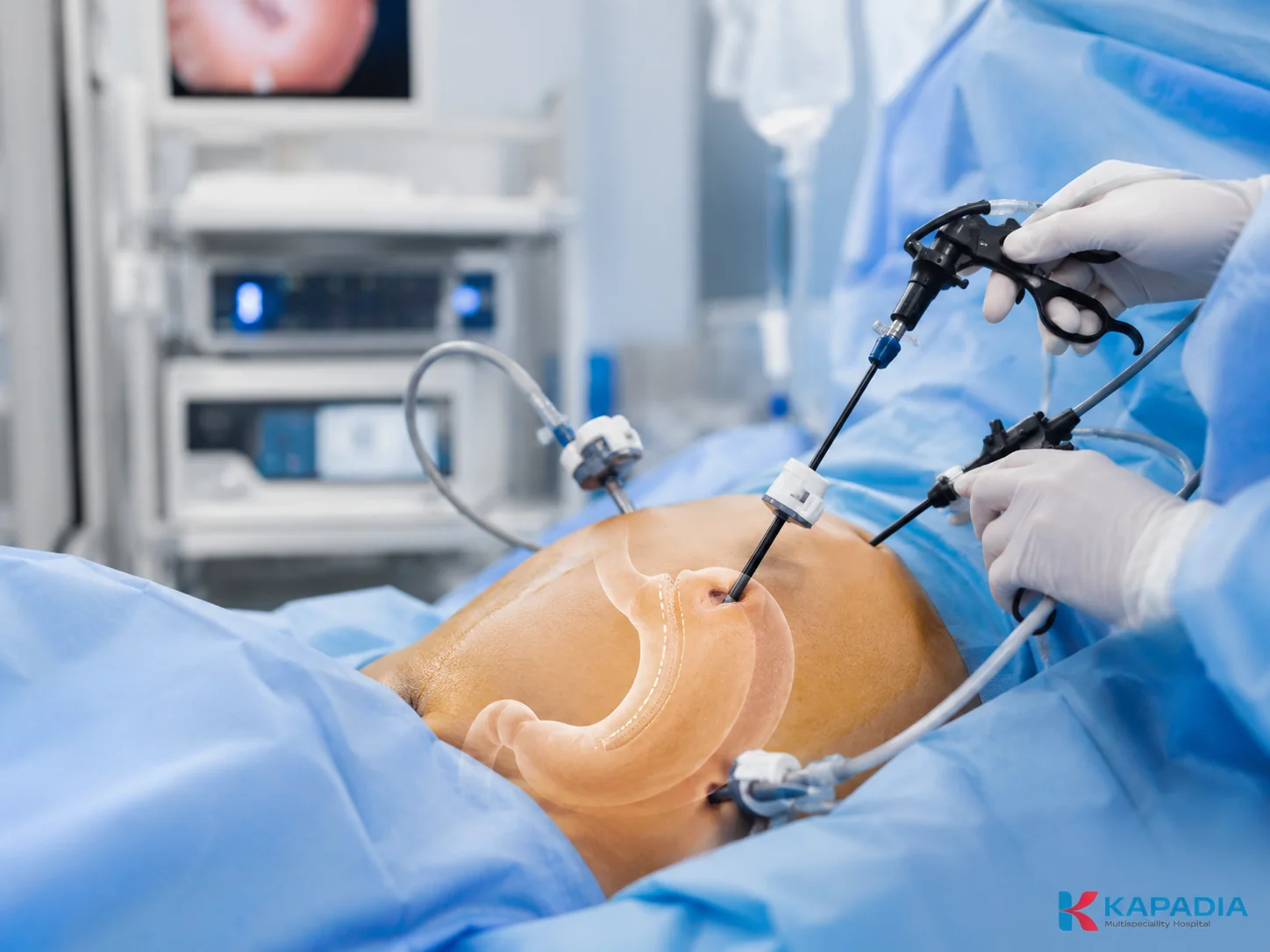
Why is Bariatric Surgery Performed
Bariatric surgery is performed to assist you in losing excessive fat and reduce the likelihood of potentially fatal weight-related health issues, such as:
Bariatric surgery is typically only carried out after you've tried to lose weight by changing your food and activity habits.
Candidacy, Types & Results.
Who qualifies, the main surgical techniques, and the long-term results you can expect - all in one place.
Who Is Bariatric Surgery For?
Generally speaking, bariatric surgery may be a possibility for you if:
- Your body mass index (BMI), often known as severe obesity, is 40 or above.
- You have a chronic weight-related health issue, like type 2 diabetes, high blood pressure, or chronic sleep apnea, and your BMI is between 35 and 39.9, which is considered obese. If your BMI is between 30 and 34 and you have major weight-related health issues, you might be eligible for some forms of weight-loss treatment.
Individuals who are extremely overweight should have bariatric surgery. There may be certain medical prerequisites you must meet in order to qualify for weight-loss surgery. You'll probably go through a rigorous screening to discover if you qualify. To lead a more balanced life, you must also be prepared to make long-term adjustments. You might be requested to participate in long-term follow-up programmes that monitor your dietary, approach to life, and behaviour in addition to your health problems.
Types of Bariatric Surgery
Every type of bariatric surgery has advantages and disadvantages. Talk about these with our doctor, please. Descriptions of typical bariatric surgery techniques are provided below:
The most often utilised gastric bypass technique is this one. Usually, this procedure cannot be reversed. It functions by restricting the quantity of food you can eat at one time and lowering nutritional intake. The apex of the stomach is separated from the remainder of the stomach by an incision made by the surgeon. Only approximately an ounce of food may fit in the formed pouch, which is roughly the size of a walnut. The stomach can normally hold three pints of food. The surgeon will then cut a portion of the small intestine and suture it into the bag. Food then enters this little stomach pouch and travels right to the small intestine that is attached to it, skipping the majority of the stomach and the first part of the intestinal tract.
By removing around 80% of the stomach during a sleeve gastrectomy, a long, tube-like pouch is left behind. This smaller stomach has less space for meals. Additionally, it creates less ghrelin, a hormone that controls hunger, which may reduce the urge to eat.
This two-part procedure begins with a procedure similar to a sleeve gastrectomy. Bypassing the bulk of the intestine, the second procedure (duodenal flip and biliopancreatic redirection) connects the terminal part of the intestine to the duodenum close to the stomach. This treatment both limits your food intake and reduces nutritional absorption. Despite its considerable success, it carries increased hazards, including hunger and vitamin shortages.
The weight-loss procedure that is best for you will rely on your individual conditions. Body mass index, food patterns, other health conditions, past surgeries, and the dangers associated with each treatment are just a few of the variables that your surgeon will consider.
Results
With the help of gastric bypass and other bariatric surgeries, long-lasting weight loss is possible. The surgical procedure you undergo and the modifications you make to your living will affect how much weight you lose. Within two years, you might be able to reduce half or perhaps more of your weight gain.
Gastric bypass operation has been shown to alleviate or address a variety of ailments related to obesity in addition to assisting patients to lose weight, including:
- Heart disease
- High blood pressure
- Obstructive sleep apnea
- Type 2 diabetes
- Nonalcoholic fatty liver disease or steatohepatitis
- Gastroesophageal reflux disease
- Osteoarthritis
Additionally, gastric bypass surgery might increase your capacity for common everyday tasks, which may enhance your life quality.
Frequently Asked Questions.
Quick answers about Bariatric Surgery at Kapadia Multispeciality Hospital, Goregaon West.
Bariatric surgery is performed to assist you in losing excessive fat and reduce the likelihood of potentially fatal weight-related health issues, such as: Bariatric surgery is typically only carried out after you've tried to lose weight by changing your food and activity habits.
Generally speaking, bariatric surgery may be a possibility for you if: Individuals who are extremely overweight should have bariatric surgery. There may be certain medical prerequisites you must meet in order to qualify for weight-loss surgery. You'll probably go through a rigorous screening to discover if you qualify. To lead a more balanced life, you must also be prepared to make long-term adjustments. You might be requested to participate in long-term follow-up programmes that monitor your dietary, approach to life, and behaviour in addition to your health problems.
Every type of bariatric surgery has advantages and disadvantages. Talk about these with our doctor, please. Descriptions of typical bariatric surgery techniques are provided below: The weight-loss procedure that is best for you will rely on your individual conditions. Body mass index, food patterns, other health conditions, past surgeries, and the dangers associated with each treatment are just a few of the variables that your surgeon will consider.
With the help of gastric bypass and other bariatric surgeries, long-lasting weight loss is possible. The surgical procedure you undergo and the modifications you make to your living will affect how much weight you lose. Within two years, you might be able to reduce half or perhaps more of your weight gain. Gastric bypass operation has been shown to alleviate or address a variety of ailments related to obesity in addition to assisting patients to lose weight, including:
Related Treatments.
Explore related treatments handled by our senior specialist team at Kapadia Hospital.
Aesthetic surgery by expert cosmetic surgeons.
Know more about treatment Plastic SurgeryReconstructive & aesthetic plastic surgery.
Know more about treatment Facial Cosmetic SurgeryFace-lift, rhinoplasty & facial aesthetics.
Know more about treatment Hair TransplantationNatural, permanent hair restoration.
Know more about treatment LiposuctionBody-contouring fat removal by liposuction.
Know more about treatment Body ProceduresTummy tuck, body-contouring & more.
Know more about treatment Breast SurgeryAesthetic & reconstructive breast surgery.
Know more about treatment PRP TreatmentPRP therapy for hair & skin rejuvenation.
Know more about treatment