
Cricket Injury Management
One of the most popular game around the globe, cricket is a team sport that requires the player to engage in physical activity like running, bowling, batting, and fielding.
What Is Cricket Injury Management?
One of the most popular game around the globe, cricket is a team sport that requires the player to engage in physical activity like running, bowling, batting, and fielding. Although your entire body is vulnerable to injury during the game, certain body parts are more sensitive than others and are more prone to injury, such as the lower back, shoulder, hamstrings, and ankle.
Injury risk varies depending on your position on the field. Furthermore, T20 matches, which are more intensive and played for a shorter period of time, results in a considerable increase in injuries.
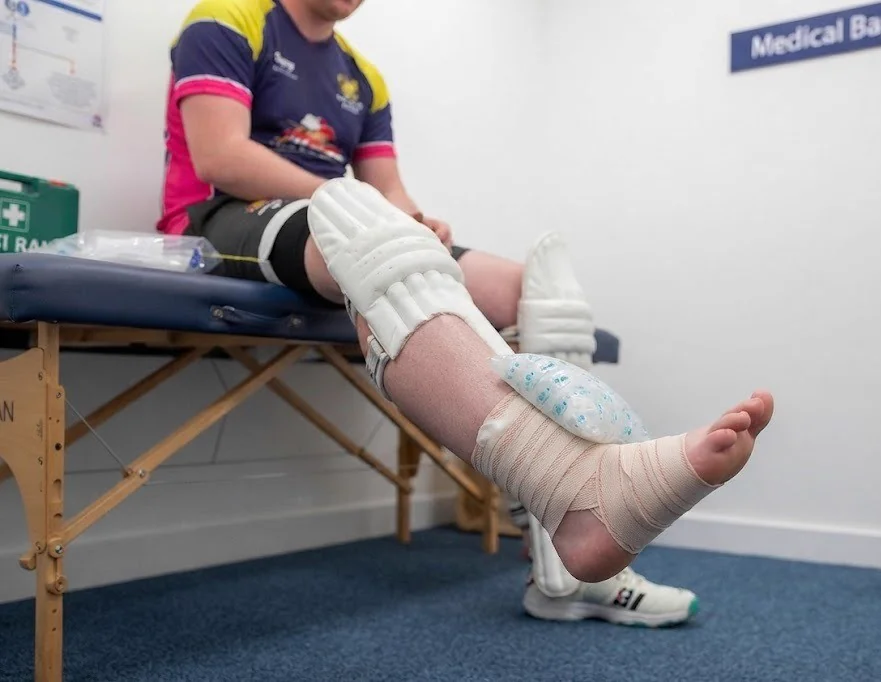
Most Common Injuries While Playing Cricket
Below mentioned are the most common injuries that a player can endure while playing cricket:

When the muscles in the hamstrings are overworked, they result in a strain or a complete tear. The intensity of a hamstring strain can range from a mild ache to a significant strain that is excruciatingly painful and makes walking or standing difficult. Hamstrings are commonly injured while sprinting, like while fast bowling, fielding or running between wickets for a batsman. During exercise, the player experiences sudden or acute pain, as well as pain or tightness when straightening or bending the leg and while weight-bearing.
Side strain affects the oblique muscle on one side of the body, frequent in bowlers. The damage occurs on the opposite side of the bowling arm due to the forcible contraction of the muscle. Repetitive arm motion might also produce side strains. Internal swelling causes the athlete to experience discomfort and tenderness.
In cricket, the ball usually has a direct impact on the muscle, and the faster the ball hits the athlete, the more severe the damage, which produces inflammation and bruising.
Fast bowlers frequently experience lower back pain as a result of lengthy stretches of repetitive motions. As a consequence of overstretching the lumbar spine ligament is injured, the athlete experiences pain and inflammation.
A lumbar stress fracture can be caused by excessive shoulder rotation, sideways trunk flexion, and higher pelvic rotation. Fast bowlers are prone to lumbar stress fractures as it is caused by high forces and inescapable repetition in rapid bowling. Spine strain can be caused by bowling, batting, and some fielding positions.
The great majority of injuries to a cricketer's hands and wrists are impact injuries from ball contact, which results in fractures, dislocations, and sprains. Wicket keepers are especially vulnerable to damage to their hands. The most common hand injuries are injuries to the fingers. To decrease swelling around the joint, injured fingers are frequently splinted and squeezed.
When throwing or bowling, the shoulder is subjected to a great deal of tension. Shoulder injuries can also arise when attempting to catch or stop the ball by diving. Rotator cuff injuries, shoulder dislocations, AC joint injuries, and nerve traction injuries are among the shoulder injuries. Treatment will vary depending on the sort of injury experienced; nonetheless, the player will have to take a break from cricket for at least a brief time.
The soft tissue structures on the inside medial side of the elbow are subjected to greater strain as a result of repetitive high-velocity throwing. If left untreated, this can result in a long period of time away from cricket. Reducing re-injury can be as simple as changing the way you throw a cricket ball.
Cricket Injury Treatment
The time taken to recovery from an injury sustained while playing cricket is completely depends on the type of injury and its severity.
RICE Method
The RICE Method, which stands for rest, ice, compression, and elevation, is one of the finest strategies to treat a muscular injury.
The most critical stage is to rest the area. However, the best course of action is to avoid cricket until you've fully recovered.
To minimise inflammation, ice the region for 20 minutes on and 20 minutes off five times a day for the duration of the injury. You may also need to take anti-inflammatory medicines.
Compressing the region with tape or bandages, as well as keeping it above your heart if possible, will help reduce inflammation. Always seek a doctor's advice about the best treatment methods for your particular injury.
Sports Physiotherapy
A sports physical therapist (physiotherapist) can help you not only recover from your injury, but also prevent future injuries and perhaps improve your game.
The POLICE (Protection, Optimum Loading, Ice, Compression, and Elevation) concept is followed by incremental strengthening through exercise, soft tissue massage, scar tissue mobilization, dry needling, and taping in physiotherapy treatment. Additionally, it aids in the healing process and the prevention of recurrence.
Surgical Treatments
When all other conventional therapies have failed, and when players suffer major injuries like displaced fractures, dislocations, and torn ligaments, it necessitates surgery. Recovery times are lengthier after surgery, and cricketers are off the field for extended periods of time.
At Mumbai's Kapadia Hospital, the most advanced surgical technology and highly qualified specialists are available to aid you in recuperating from cricket-related injuries.
Frequently Asked Questions.
Quick answers about Cricket Injury Management at Kapadia Multispeciality Hospital, Goregaon West.
Cricket injuries commonly affect the shoulder, lower back, knee, hamstring and hands. They include muscle strains, ligament sprains, tennis/golfer's elbow, side strains, finger fractures and overuse injuries from bowling and fielding.
Recovery depends on the type and severity of the injury. Most respond to the RICE method and sports physiotherapy, which restores strength and prevents recurrence. Major injuries such as displaced fractures, dislocations or torn ligaments may need surgery followed by structured rehabilitation.
See a sports-injury specialist if pain persists, a joint is swollen or unstable, you cannot grip, throw or bear weight, or there is any visible deformity. Early diagnosis speeds recovery and protects your long-term performance.
Return-to-play time varies - a minor strain may settle in one to two weeks, while surgery for a fracture or ligament tear can require several months of graded rehabilitation. Your surgeon will guide a safe, staged return.
Yes. A proper warm-up, correct bowling and batting technique, strength and conditioning, adequate rest, and protective gear all significantly reduce the risk of both acute and overuse cricket injuries.
No. The large majority of cricket injuries heal with rest, RICE and physiotherapy. Surgery is reserved for serious injuries such as complete ligament tears or displaced fractures, and is always paired with a rehabilitation programme.
Related Treatments.
Explore related treatments handled by our senior specialist team at Kapadia Hospital.
Minimally invasive keyhole joint surgery.
Know more about treatment ACL / PCL RepairArthroscopic knee ligament reconstruction.
Know more about treatment Ligament InjuriesDiagnosis & repair of knee ligament injuries.
Know more about treatment Meniscus InjuryArthroscopic treatment for meniscus tears.
Know more about treatment MPFL ReconstructionRepair for recurrent kneecap dislocation.
Know more about treatment Shoulder DislocationCare for recurrent shoulder dislocation.
Know more about treatment Rotator Cuff RepairArthroscopic rotator cuff tear repair.
Know more about treatment Frozen ShoulderTreatment to restore shoulder movement.
Know more about treatment