
Sports Injury Specialist in Mumbai
Sports injuries are a common occurrence for athletes and active individuals, and receiving the right treatment is essential for a full and speedy recovery.
What Is Sports Injury?
Sports injuries are a common occurrence for athletes and active individuals, and receiving the right treatment is essential for a full and speedy recovery. Whether it's a sprain, fracture, or chronic injury, a comprehensive approach to sports injury treatment is key to restoring strength, mobility, and overall well-being.
Sports injuries can range from minor sprains and strains to more severe conditions like fractures, dislocations, and ligament tears. If you're an athlete or someone who leads an active lifestyle, dealing with a sports injury can be challenging. At Kapadia Hospitals, our expert sports injury specialists in Mumbai are here to help you get back on your feet - literally. With personalized treatment plans, cutting-edge technology, and a holistic approach to recovery, we ensure you're in the best hands. Don't let an injury keep you on the sidelines. Book an appointment today and take the first step towards a full and speedy recovery with Kapadia Hospitals.
About, Why Kapadia & Consultation
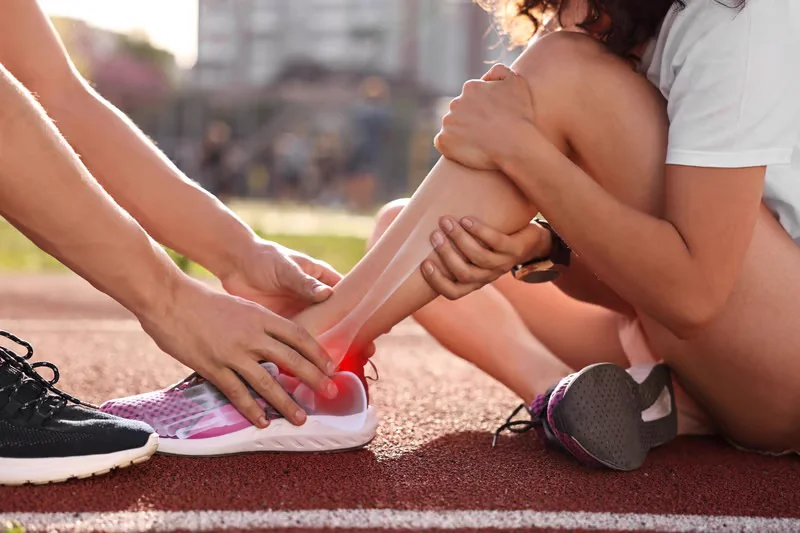
Sports injuries can result from real impact or pressure that is higher than the bodily component can physically bear. The two basic categories of sports-related injuries are acute and chronic. An awkward landing leading to a sprained ankle is an example of acute injury whereas repetitive usage of the muscle groups or joints can be an instance of chronic ones. What can add more to the development of chronic injuries are imperfect techniques and structural abnormalities.
About Sports Injury
Sports injuries can result from real impact or pressure that is higher than the bodily component can physically bear. The two basic categories of sports-related injuries are acute and chronic. An awkward landing leading to a sprained ankle is an example of acute injury whereas repetitive usage of the muscle groups or joints can be an instance of chronic ones. What can add more to the development of chronic injuries are imperfect techniques and structural abnormalities.
Any sports injury warrants a medical examination since you might be harmed worse than you realise. For instance, a bone breakage can be mistaken for a sprained ankle, and putting off treatment for an injury can have catastrophic repercussions as well.
Mumbai's Trusted Name in Arthroscopy & Sports Injury Care Since 1987
- Expert Sports Surgeon: Dr. Rahul Rajan ModiMBBS, MS (Orthopaedics), DNB (Orthopaedics) and FIFA Diploma in Football Medicine, with exclusive arthroscopy training and 500+ orthopaedic cases performed.
- Advanced: Arthroscopic (Keyhole) SurgeryDesigned to preserve tendons, ligaments, and joints rather than replace them, without significant open incisions - less pain and a shorter recovery.
- Outpatient: Day-Care ProcedureArthroscopy procedures typically take one to two hours, following which patients are able to leave for home.
- % Cashless Insurance AvailableStrong partnerships with all major health insurance providers for seamless, hassle-free cashless hospitalisation.
- Personalised: Recovery SupportGuidance on pain relief along with exercises to strengthen the muscles surrounding the joint and increase flexibility to restore your active lifestyle.
- Dedicated: Sports Injury WardKapadia Hospital has a dedicated ward for sports injuries, providing focused care and recovery support for athletes and active individuals.
Get Consultation on Sports Injury Treatment in Mumbai
Are you struggling with pain from a sports injury? Don't wait for the discomfort to escalate, take action today! At Kapadia Hospital, we offer consultation for sports injury treatment in Mumbai. Our team of experienced sports injury specialists is dedicated to providing personalized care tailored to your specific needs.
- A thorough evaluation of your injury
- Expert advice on the most effective treatment options
- Answers to all your questions about the procedure and recovery
Don't let a sports injury keep you on the sidelines. Contact us now to schedule your consultation and take the first step towards a full and speedy recovery!
Sports injuries Causes
Acute or chronic sports injuries can result from real effects, applying more pressure to a joint than it can support, or overuse. They normally fall into one of these two categories. Here are the causes of sports injuries;
Acute Injury
An acute injury comes with noticeable symptoms. Slipping, falling, colliding, and various other forms of accident can result in acute injury. Playing sports with the wrong techniques can also cause acute injuries.
Chronic Injury
A chronic injury is more severe since it either results from overuse or poor technique. Non-healed acute injury or playing even in pain can also turn into a chronic injury.
Sports Injuries Symptoms
Sports injury symptoms typically emerge right away, but they can also develop over the period of several days or hours. However, symptoms linked with overused injury tend to develop over time. The indications of sports injuries that one needs to watch out for are given below.

Pain is a sports injury's primary symptom. It is known as the body's warning signal when anything is awry. Therefore, based on the nature of the injuries, the injuries should be notified right away before the agony intensifies.
Inflammation can lead to swelling, which can be uncomfortable. Even while there might not be an immediate limitation on movement following the accident, blood and fluid may be progressively transferred to repair broken bones or damaged tissue, which could lead to edoema.
A restricted range of motion in the affected body part might be used to determine the extent of an injury. Sports injury specialist in Mumbai from Kapadia Hospital will not only help treat mobility problems prior but also resume sports activity sooner.
An unbalanced joint that is floppy or out of scale is a sign of a ligament injury. Damage prevents the afflicted joint from receiving the proper support, which causes instability.
Any structural lesion to a muscle or tendon might impede the area's ability to operate normally, leading to weakness. Sports injury specialist in Mumbai at Kapadia Hospital, Mumbai suggests a quick evaluation as there is a possibility of other escalating concerns.
Numbness or tingling are symptoms of damaged or irritated nerves. Due to nearby swelling or inflammation, there is a potential for irritation. Nevertheless, the same thing might also result from directly injured nerves.
Skin redness can be brought on by an allergen, infection, or irritation. If the burning sensation is higher, you should reach the Kapadia Hospital for consultation.
Even modest head injuries might result in memory issues, such as poor focus, headaches, uneasiness, and restlessness. Even if the problem is fixed, it might have catastrophic repercussions and should not be disregarded.
Types of Sports Injuries
Sports injuries are not all the same. Knowing the type helps the sports injury specialist in Mumbai plan the right treatment. The common types include:
When To See a Sport Injury Doctor in Mumbai
Most people avoid aches and pain considering them normal. But if you have an injury that is not improving with simple treatment steps, however, or if it is worsening despite your efforts, book an appointment at the Kapadia Hospital for Sports injuries treatment, Mumbai.
Sports Injuries Diagnosis
The best sports injury doctor in Mumbai at the Kapadia Hospital will diagnose your injury based on your medical history and information about how the injury occurred. You must have a medical evaluation, during which our medical expert will palpate the affected area and inquire as to how painful or tender it is. Additionally, the area's flexibility of movement will be examined.
Magnetic resonance imaging (MRI)
Strong magnetic radio waves of MRI are used for diagnostic imaging of muscle injuries, joint damage, sprains, fractures, and head injuries sustained during sports. Musculoskeletal structures, bones, tendons, ligaments, and nerves, all are examined.
Ultrasound
An ultrasound is used to evaluate tendon injury. Our clinicians are able to view live footage of the overlying soft tissues due to the sound energy it produces. Additionally, you could be instructed to flex the joint in order to see how motion impacts the tendon.
Computed tomography (CT) scans
A CT scan is used to get a complete image of the bone and tissues. In this sports injury diagnostic, even the smallest hairline fragment or joint irregularity can be seen.
The doctor may order X-rays to check out any fractured bones depending on the severity of the agony or impairment caused by the unknown injury. Imaging studies may be prescribed to keep track of soft tissue damage. For bringing the treatment into effect, sports injury doctors at Kapadia Multispeciality Hospital may order all these early tests and tests post-treatment if required.
Sports injuries Treatment in Mumbai
Sports injuries are graded by severity, and the grade helps decide the right treatment approach:
Grade 1 and 2 sports injuries are mild to moderate. These injuries generally heal on their own over time with rest, care, and simple treatment steps.
Grade 3 and 4 sports injuries are more severe. Surgical guidance is needed for these injuries, and our sports injury specialist in Mumbai may advise arthroscopic surgery for lasting recovery.
Consider surgery if nonsurgical treatments are unsuccessful in treating your sports injury symptoms or if a functionality plateau prevents you from leading an active lifestyle. Thus, arthroscopic surgery is the advised sports injury treatment among a number of invasive techniques. This surgery is designed to preserve tendons, ligaments, and joints rather than replace them; it does not require significant open incisions.
During a typical procedure, the best sports injury doctor in Mumbai at Kapadia Hospital, Mumbai guides a small camera through the elbow via a small incision and uses this visual data and surgical instruments to diagnose and treat the underlying condition.
As small incisions are made to treat the underlying problem by Arthroscopy Surgeon from the Kapadia Hospital, no severe swelling or pain occurs. This method is less stressful than other standard operations, with just slightly less tissue swelling.
The main benefit of using small incisions to repair sports injuries is that you recuperate more quickly and can resume your regular daily activities more quickly.
This Sports injuries treatment at Kapadia Hospital minimizes the overall healing time and also reduces the patient's risk of infection.
Arthroscopy procedures typically take one to two hours, following which patients are able to leave for home. It is a non-hospital procedure.
The patient can go home after the procedure, which typically lasts one or two hours. It can be suggested that you use an ice pack to reduce any swelling and discomfort. Sports injury doctors from Kapadia Hospital may also prescribe medication to lower pain after the procedure along with a few exercises to strengthen the muscles surrounding the joint and also increase flexibility to restore your active lifestyle.
Care Led by a Senior Consultant.
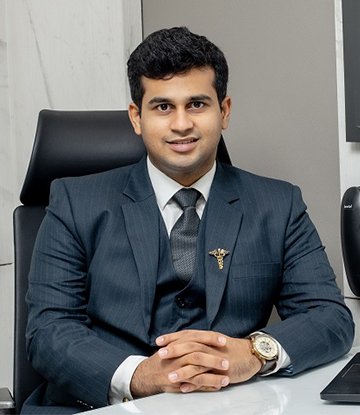
Dr. Rahul Rajan Modi
A consultant orthopaedic and sports surgeon, gold medalist in MS Orthopaedics with a FIFA Diploma in Football Medicine, trained in arthroscopy under Dr. Dinshaw Pardiwala and Dr. Abhay Narvekar. With 500+ orthopaedic cases, he performs knee, shoulder and ankle arthroscopy - ACL/PCL reconstruction, meniscus and cartilage repair, and rotator-cuff surgery - with the latest techniques.
View Full ProfilePreventing Sports Injuries
A few simple habits can lower your risk of sports injuries. Our sports injury specialist in Mumbai recommends:
These simple habits support safe training and may reduce your risk of sports injuries over time.
FAQ's - Sports Injury
Quick answers about Sports Injury at Kapadia Multispeciality Hospital, Goregaon West.
Sports injuries are those injuries that happen during physical activity or exercise. They can affect muscles, tendons, ligaments, bones, or other tissues. They can range from minor sprains and strains to more serious issues like fractures or dislocations. It's essential to consult a sports injury specialist in Mumbai and take preventive measures like warming up, using proper equipment, and knowing your limits to avoid these injuries.
You should see a sports injury doctor if you experience severe pain, swelling, or difficulty moving the injured area. Additionally, if the injury causes numbness, tingling, or weakness, it's important to seek medical attention promptly. Any injury that prevents you from bearing weight or participating in normal activities warrants a visit to the doctor. Furthermore, if the pain persists despite rest and home remedies, it's advisable to consult a sports injury specialist in Mumbai.
Common causes of sports injuries include overuse, improper technique, inadequate warm-up, and insufficient conditioning. Overuse injuries result from repetitive stress on muscles, tendons, or bones without adequate rest. Poor technique can strain muscles or joints, leading to injury. Skipping warm-up exercises deprives muscles of necessary preparation, increasing the risk of injury. Inadequate conditioning leaves muscles weak and susceptible to injury during physical activity. Additionally, sudden impacts or collisions during sports can cause acute injuries such as sprains, strains, or fractures.
Whether surgery is needed for your sports injury depends on its severity and specific circumstances. Consulting the best sports injury doctor in Mumbai is essential for accurate diagnosis and treatment recommendations. The sports injury doctor will assess your injury, considering factors like the type, location, and extent of damage. In many cases, non-surgical treatments such as rest, physical therapy, or medication can effectively heal sports injuries. However, for severe injuries like torn ligaments or fractures, surgery may be necessary to restore function and stability.
Sports injuries that typically take the longest to heal are those involving severe damage to tissues like ligaments, tendons, or bones. Examples include complete ligament tears, tendon ruptures, or complex fractures. These injuries often require extensive treatment from sports injury doctor, such as surgery, followed by a prolonged period of rehabilitation. Additionally, injuries to weight-bearing joints like the knees or ankles tend to take longer to heal due to the constant stress placed on them during daily activities.
At Kapadia Hospitals, we treat a wide range of sports injuries, including ligament tears (ACL, PCL), shoulder dislocations, rotator cuff injuries, stress fractures, tendonitis, meniscus tears, cartilage damage, and muscle strains. Our specialists use both surgical and non-surgical methods to ensure optimal recovery.
Scheduling an appointment is easy. You can contact us directly through our website, call our helpline, or visit our multispeciality hospital in mumbai to book an appointment. Our team will assist you in finding the earliest available slot with one of our sports injury specialists.
Many of the treatments offered at Kapadia Hospitals are covered by health insurance. However, coverage may vary depending on your insurance provider and policy. Our billing department can assist you in understanding your insurance benefits and coverage for sports injury treatment.
Sports Injury Across Mumbai.
Patients travel to Kapadia Multispeciality Hospital, Goregaon West from across the western suburbs.
Related Treatments.
Explore related treatments handled by our senior specialist team at Kapadia Hospital.
Minimally invasive keyhole joint surgery.
Know more about treatment ACL / PCL RepairArthroscopic knee ligament reconstruction.
Know more about treatment Ligament InjuriesDiagnosis & repair of knee ligament injuries.
Know more about treatment Meniscus InjuryArthroscopic treatment for meniscus tears.
Know more about treatment MPFL ReconstructionRepair for recurrent kneecap dislocation.
Know more about treatment Shoulder DislocationCare for recurrent shoulder dislocation.
Know more about treatment Rotator Cuff RepairArthroscopic rotator cuff tear repair.
Know more about treatment Frozen ShoulderTreatment to restore shoulder movement.
Know more about treatment