
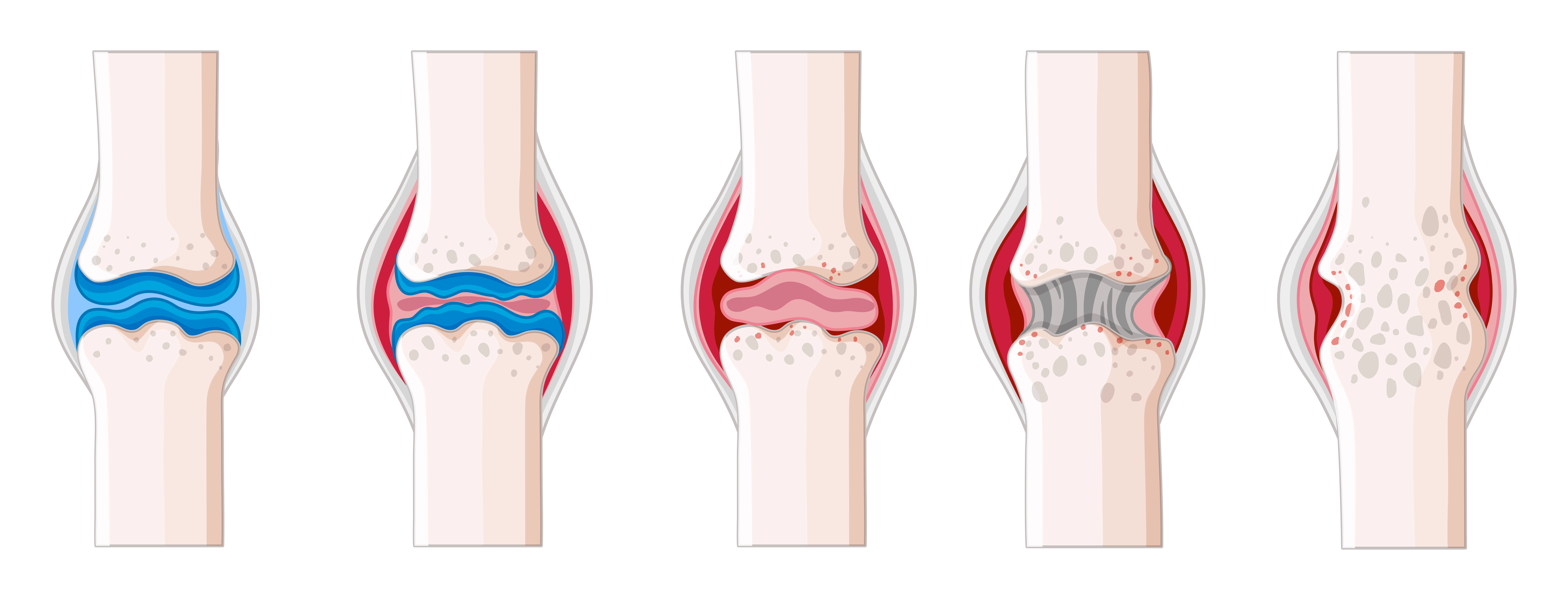
Knee replacement surgery, also known as knee arthroplasty, is a surgical procedure designed to relieve pain and restore function in individuals with severe knee damage or arthritis. During the surgery, a damaged or worn-out knee joint is replaced with an artificial implant made of metal, plastic, or ceramic materials.
This procedure is typically recommended for patients who have not found relief from conservative treatments, such as medications, physical therapy, or injections. Understanding the knee replacement procedure steps can help you feel prepared and confident before surgery.
What is Knee Replacement Surgery?
Knee replacement surgery, or knee arthroplasty, is a procedure in which a damaged or worn-out knee joint is replaced with an artificial implant. The implant is made of metal, plastic, or ceramic materials and is designed to restore smooth, pain-free movement. It is usually recommended for people with severe knee damage or arthritis who have not improved with medication, physiotherapy, or injections.
Types of Knee Replacement
- Total Knee Replacement: The entire knee joint is replaced, including the femoral and tibial surfaces, as well as the patella.
- Partial Knee Replacement: Only the damaged part of the knee joint is replaced, preserving healthy bone and tissue in other areas.
What Are the Main Reasons for Needing a Knee Replacement?
A knee replacement may be advised when knee damage significantly affects daily life. Common reasons include:
- Severe Osteoarthritis: The most common reason, causing pain, stiffness, and swelling that limit daily activities.
- Rheumatoid Arthritis: An autoimmune condition that leads to joint inflammation, damaging the knee over time.
- Post-Traumatic Arthritis: Injury from accidents or fractures can lead to arthritis and require replacement.
- Loss of Mobility: If walking, climbing stairs, or standing becomes difficult even with medication and physical therapy.
- Chronic Knee Pain: Severe, persistent pain that affects sleep or rest, despite other treatments.
- Cartilage Loss: Extensive wear and tear resulting in bone rubbing against bone, causing significant pain and limited function.
Knee Replacement Procedure Steps
While the exact approach can vary from patient to patient, a typical knee replacement follows these steps:
- Preparation: The patient is positioned, and anesthesia (either general or spinal) is administered. The surgical area is then cleaned and sterilized.
- Incision: The surgeon makes an incision (typically 6 to 10 inches long) over the front of the knee to access the joint.
- Removal of Damaged Tissue: The surgeon carefully removes damaged cartilage, bone, and any other tissue from the knee joint.
- Reshaping the Bone: The ends of the femur (thigh bone) and tibia (shin bone) are reshaped to fit the new prosthetic components.
- Implant Placement: The artificial knee components are then attached. The femoral component (usually made of metal) is attached to the thigh bone, and the tibial component (a metal and plastic part) is attached to the shin bone. Sometimes, a plastic button is added to the underside of the kneecap (patella) if needed.
- Alignment and Balancing: The surgeon tests the knee to ensure the implants are properly aligned and balanced, ensuring smooth movement.
- Cementing or Fixing: The prosthetic components are either cemented into place or press-fitted for natural bone growth.
- Closure: The incision is carefully closed with stitches or staples, and a bandage is applied.
- Post-Procedure: The patient is taken to the recovery room for monitoring and later guided through rehabilitation exercises to regain knee movement.
This process can vary slightly based on individual needs, but these steps outline the typical knee replacement procedure. For expert knee replacement surgery in Mumbai, contact Kapadia Hospital today. Our experienced surgeons provide personalized care to ensure the best outcomes.
Is Knee Replacement Surgery Painful?
Knee replacement surgery itself isn't painful due to anesthesia, but some discomfort is expected afterward as part of the healing process. Pain is typically most intense during the first few days but is managed with pain medication. As you begin physical therapy, you might feel some soreness, but this gradually reduces over time. Most patients experience significant relief from pre-surgery knee pain within a few months as they continue their recovery and rehabilitation.
Why Choose Kapadia Multispeciality Hospital for Knee Replacement in Mumbai?
Kapadia Multispeciality Hospital in Goregaon West offers advanced orthopedic care for patients considering knee replacement surgery. Each patient is carefully assessed so that the most suitable procedure, whether total or partial replacement, can be planned.
- Experienced orthopedic surgeons and personalized surgical planning
- Modern operation theatres and quality knee implants
- Structured physiotherapy and rehabilitation support
- Focus on pain relief, mobility and long-term joint function
- Accessible knee replacement surgery in Mumbai from Goregaon West
Conclusion
Knee replacement surgery can offer lasting relief for people with severe arthritis or knee damage that has not improved with other treatments. Understanding the procedure steps, from preparation and implant placement to recovery, helps patients feel informed and confident about the journey ahead.
If persistent knee pain is affecting your daily life, the orthopedic team at Kapadia Multispeciality Hospital can assess your knee and advise the right treatment plan. Contact us to schedule a consultation and take the first step toward pain-free mobility.
Frequently Asked Questions
How long does knee replacement surgery take?
Most knee replacement surgeries take about one to two hours. The exact time depends on whether it is a total or partial replacement, the condition of the joint and any additional procedures the surgeon needs to perform.
How long does recovery take after knee replacement?
Many patients begin walking with support within a day or two and return to most daily activities within about six weeks. Full recovery, including strength and confidence in the new joint, can take a few months and depends on physiotherapy and overall health.
What is the difference between total and partial knee replacement?
In a total knee replacement the entire joint surface is replaced, while in a partial knee replacement only the damaged part of the joint is replaced and healthy bone and tissue are preserved. The right choice depends on how much of the knee is affected.
How long does a knee implant last?
Modern knee implants commonly last many years and often more than a decade with good care. Longevity depends on activity levels, body weight, implant type and how well the joint is looked after after surgery.
When can I walk after knee replacement surgery?
Most patients are encouraged to stand and take a few assisted steps within a day of surgery. Walking distance is increased gradually with physiotherapy and a walking aid, which is usually reduced over the following weeks.
This article is for general awareness only. It does not replace a consultation, examination, diagnosis or treatment by a qualified doctor.