
A bulge that occurs when specific tissues or organs push through an opening or weak region in nearby muscle walls is called a hernia. These are primarily common around abdominal walls or groin areas, causing pain due to abnormal growth. One can feel pain while sneezing, coughing or standing up, and the discomfort may rise with more physical activities.
A hernia specialist in Mumbai will advise surgery once it becomes too painful, hindering daily living. The surgery pushes the tissues or organs back to their original region, repairing the weak area within the muscle wall. Mesh may be recommended for the treatment, depending on the severity of the case, to avoid future complications.
Hernia: The Term
A bulge that occurs when specific tissues or organs push through an opening or weak region in nearby muscle walls is called a hernia. These are primarily common around abdominal walls or groin areas, causing pain due to abnormal growth. One can feel pain while sneezing, coughing or standing up, and the discomfort may rise with more physical activities.
A hernia sac that is stuck or strangulated can lead to severe pain or tenderness, being the warning sign of a life-threatening situation. In such cases, emergency hernia surgery becomes essential.
Emergency surgery is needed in other conditions like fever, bloating, vomiting, redness near the affected area, more prominent bulge, or a bulge that doesn't go back inside the abdomen as earlier.
Benefits and Risks of Hernia Surgery
The best solution to get rid of a painful hernia is getting surgery done by a hernia specialist doctor in Mumbai.
To avoid the growth of a hernia, removing it and preventing further surgical complications is essential. Habits like smoking, being obese or diabetic can increase the difficulties after the hernia surgery.
Common side effects after the surgical procedure include:
- Problem while urination if surgery was of the groin
- A seroma or fluid accumulation at the site of hernia
- Infection or bruising and bleeding at the region of the incision
Long-term risks include:
- Recurrence of hernia
- Mesh moving or breaking down
- Chronic pain in the groin
Rare side effects include:
- Injury to specific organs and blood vessels, including bladder and intestines.
- Anaesthesia-related complications like heart attack and stroke.
- Death
At Kapadia Hospital, Hernia Operation Costs in Mumbai Are Made Affordable for Your Needs
Our specialists offer several kinds of treatments for hernia, such as:
- Inguinal hernia
- Incisional hernia
- Sports hernia and core muscle injuries
- Lumbar and flank hernias
- Umbilical hernia
What to Expect Before, During and After the Procedure
Before the procedure
Your hernia specialist will do a physical exam, examining whether you're fit for surgery and anesthesia.
The surgeon will present certain conditions to follow:
- They will suggest when to stop eating/drinking before the procedure begins.
- When to shower and if an antibiotic soap is necessary.
- When to quit smoking as it may prevent the infection from subsiding, your surgeon may ask you to stop the habit 4-6 weeks before the surgery.
- Let your doctor know the kind of medicines and supplements you take so they can guide you on when to stop taking them before the surgery.
During Hernia Surgery
The first thing involves giving you sedation to avoid any pain during the surgery. The hernia specialist doctor in Mumbai will:
- Push the bulging tissue or organ back to its place.
- Repair the opening or weak region in your muscle.
- Use surgical mesh to strengthen and protect the hernia defect in some cases.
The two methods for repair are open and laparoscopic or robotic hernia surgery. The kind of method for your treatment will depend on the size and risk factors from other health issues.
Open Hernia Surgery
It involves the surgeon making an extended cut in your groin or abdomen to repair the hernia. A mesh is necessary here to keep the larger hernias from forming back again.
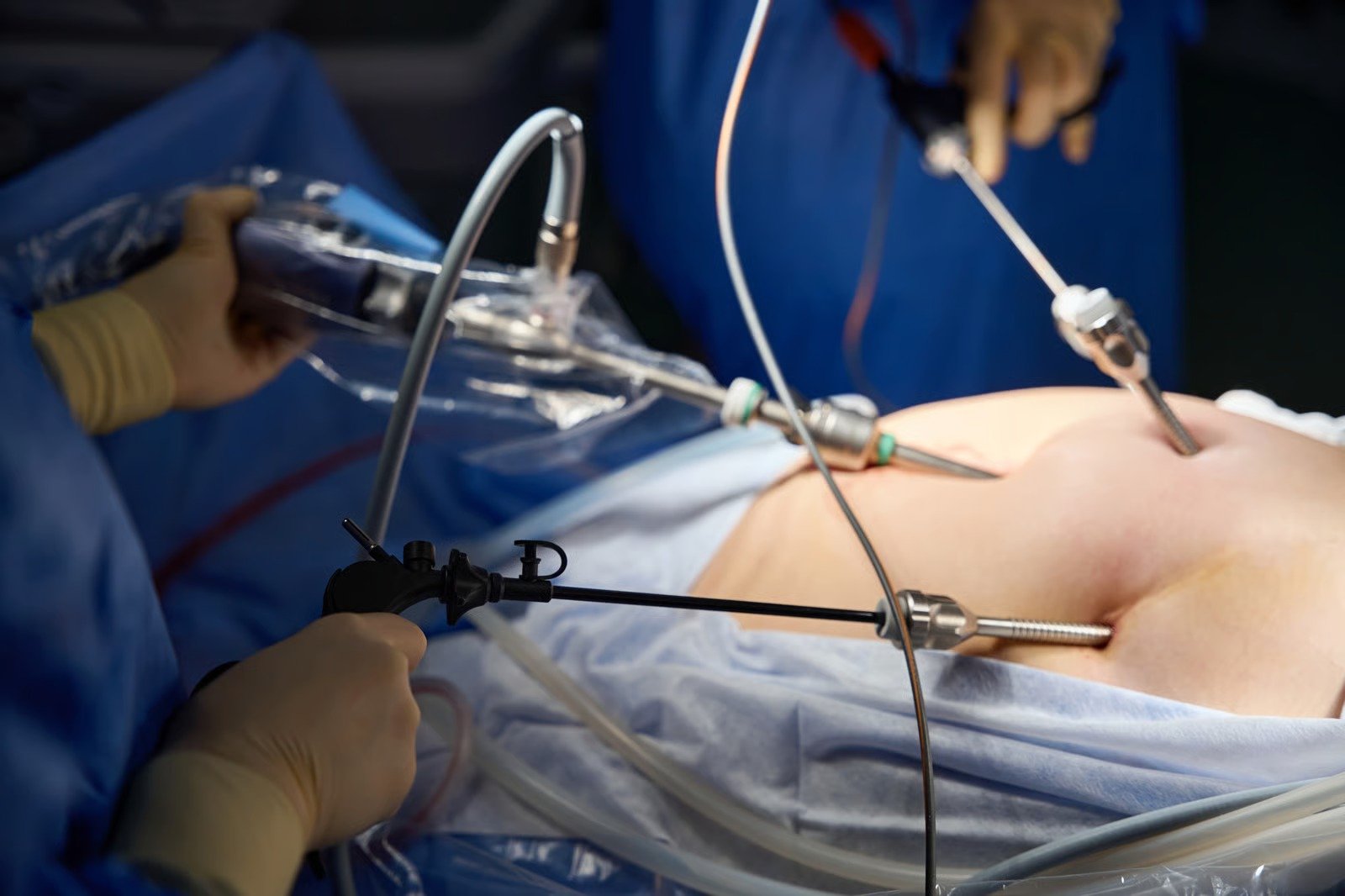
Minimally Invasive Hernia Surgery
Several minor cuts are made in the abdomen, and the following are inserted:
- Special tools through tubes and cuts to repair the hernia.
- A miniature camera inside a hollow tube through a cut to view the hernia.
After Surgery
Hernia cases allow patients to go home the same day, whereas a patient has to stay in the hospital if the hernia is large.
Soreness might persist for the first 72 hours post-op in both kinds. You can consume over-the-counter drugs like ibuprofen and acetaminophen to treat smaller hernias.
A minimally invasive hernia is less painful than the open one. After the procedure is complete, the hernia specialist in Mumbai will ask you to take care of your incision in specific ways, and you might need a small drainage tube for larger hernias for some time after the surgery.
Hernia Surgery Recovery
Recovery varies on factors such as:
- The size of the hernia
- Your age and overall health
- The type of surgery you underwent. Most patients recover faster after minimally invasive surgery than open cases.
At Kapadia Hospital, our hernia specialist doctor will guide you on specific post-op instructions and advise you to resume strenuous activities.
Furthermore, your surgeon will give you a particular time when they want to see you again after your recovery. Ensure you stick to that time frame for a follow-up appointment after complete healing.
Book an appointment to know more about the Hernia operation and its treatment cost.
Frequently Asked Questions
What is a hernia?
A hernia is a bulge that occurs when specific tissues or organs push through an opening or weak region in nearby muscle walls. They are most common around the abdominal wall or groin and can cause pain while sneezing, coughing or standing up, with discomfort rising during physical activity.
When is hernia surgery necessary?
A hernia specialist will advise surgery once the hernia becomes too painful and hinders daily living. Emergency surgery is needed if the hernia is stuck or strangulated, or with warning signs such as fever, bloating, vomiting, redness near the affected area, a larger bulge, or a bulge that does not go back inside the abdomen.
What should I do before hernia surgery?
Your specialist will do a physical exam and advise when to stop eating and drinking, when to shower and whether antibiotic soap is needed, when to stop smoking (often 4-6 weeks before surgery), and which medicines or supplements to pause before the procedure.
What is the difference between open and minimally invasive hernia surgery?
Open hernia surgery involves an extended cut in the groin or abdomen, often with mesh to prevent larger hernias from recurring. Minimally invasive surgery uses several small cuts, a miniature camera and special tools to repair the hernia, and is usually less painful than open surgery.
How long does recovery take after a hernia operation?
Recovery depends on the size of the hernia, your age and overall health, and the type of surgery. Most patients recover faster after minimally invasive surgery than open cases. Soreness may last for the first 72 hours, and your surgeon will guide you on resuming strenuous activity and follow-up.
This article is for general awareness only. It does not replace a consultation, examination, diagnosis or treatment by a qualified doctor.