
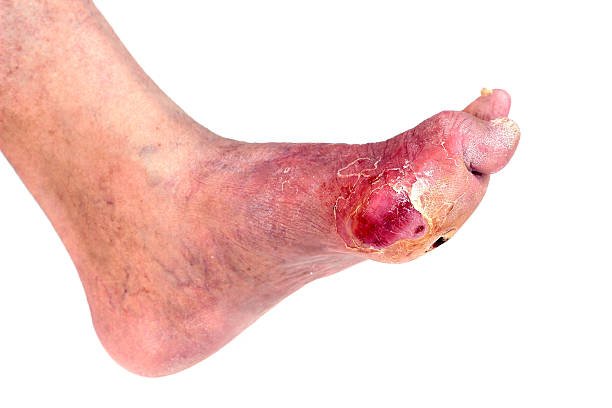
Living with diabetes comes with its own set of challenges, and one of the most serious among them is delayed wound healing. A simple cut, blister, or sore might seem minor at first, but if you are diabetic, it can quickly escalate into a severe infection or even a limb-threatening condition. Many patients with diabetic wounds experience persistent pain, swelling, or foul-smelling discharge, which not only affects mobility but also daily quality of life. The real concern is that a diabetic wound does not heal as fast as normal wounds, which makes timely medical care essential.
At Kapadia Multispeciality Hospital, the first step towards recovery is early consultation and specialised treatment. If you are struggling with a non-healing wound, don't wait until it worsens, get in touch with our diabetic wound care specialists in Mumbai for advanced treatment and prevention strategies.
Why Do Diabetic Wounds Take Longer to Heal?
Diabetic wounds form because diabetes damages blood vessels and nerves over time. When circulation is poor, oxygen and nutrients cannot reach the wound efficiently, slowing down the body's natural repair process. Additionally, nerve damage (neuropathy) often reduces sensation, meaning you may not even notice a wound until it becomes infected.
Here are the main reasons diabetic wounds take longer to heal:
- Poor circulation: Restricted blood flow delays recovery
- Weakened immune response: The body struggles to fight infections
- High blood sugar levels: Excess glucose feeds harmful bacteria, worsening infections
- Nerve damage: Reduced sensation means wounds go unnoticed and untreated
This combination of factors explains why diabetic wounds often linger for weeks or even months if left untreated.
Common Types of Diabetic Wounds
Not all diabetic wounds are the same. Knowing the type of wound helps in receiving the right treatment at the right time.
1. Diabetic Foot Ulcers
One of the most common complications in diabetic patients, these ulcers typically form on the soles of the feet or pressure points. Left untreated, they can become infected and may require advanced wound care or even surgical intervention. Consulting a diabetic foot ulcer specialist is crucial in such cases.
2. Neuropathic Ulcers
These develop due to nerve damage and are often painless, making them easy to overlook. They usually form in high-pressure areas like the heel or ball of the foot.
3. Ischemic Ulcers
Caused by poor blood circulation, ischemic ulcers are slow to heal and very prone to infection. They often appear on the tips of toes or the edges of the feet.
4. Infected Wounds
Any untreated wound in a diabetic patient can quickly become infected. Signs include redness, swelling, pus, and a foul smell. These require immediate medical attention.
How Long Does It Take for a Diabetic Wound to Heal?
The healing timeline varies from patient to patient. While minor wounds may take several weeks to months, more severe wounds like diabetic foot ulcers can linger for months or longer without proper care. Healing depends on factors such as:
- Blood sugar control
- Circulation health
- Nutritional status
- Level of infection
- How quickly medical care is sought
With early intervention from a diabetic wound care specialist, the healing process can be significantly improved. At Kapadia Multispeciality Hospital, patients are guided with customised wound care plans to promote faster healing.
Treatment Options for Diabetic Wounds
Proper treatment is vital to prevent infections and complications such as gangrene or even amputation. Here are some commonly recommended treatment options:
1. Wound Cleaning and Dressing
Regular cleaning and specialised dressings keep the wound free of infection and create the right environment for healing.
2. Debridement
This involves removing dead or infected tissue to help the wound heal more effectively.
3. Infection Control
Antibiotics may be prescribed if the wound is infected. Severe infections may require hospitalisation for IV antibiotics.
4. Blood Sugar Management
Controlling blood glucose is one of the most important steps in healing. Without it, wounds may continue to worsen.
5. Surgical Intervention
In extreme cases, surgical procedures may be required to remove infected tissue or restore circulation.
6. Specialised Care at Hospitals
Visiting a diabetic foot ulcer specialist ensures that patients get expert diagnosis, advanced treatments, and preventive measures for long-term relief.
Preventive Tips for Diabetic Patients
Prevention is always better than cure. Here are some tips to avoid diabetic wounds from worsening:
- Inspect your feet daily for cuts, blisters, or swelling
- Keep feet clean and dry
- Wear comfortable, supportive footwear
- Manage blood sugar levels diligently
- Seek medical help immediately for any non-healing wound
Why Choose Kapadia Multispeciality Hospital for Diabetic Wound Care in Mumbai?
Kapadia Multispeciality Hospital is recognised as a trusted centre for diabetic wound care in Mumbai, with highly experienced doctors and advanced treatment facilities. Our diabetic wound care specialists and diabetic foot ulcer specialists focus on personalised treatment, combining advanced wound care technology with holistic diabetes management.
Whether it's a minor wound or a severe foot ulcer, our team provides comprehensive care to promote faster healing, reduce the risk of complications, and improve overall quality of life.
Conclusion
So, how long does a diabetic wound take to heal? The answer depends on the severity of the wound, your blood sugar control, and how quickly you seek medical help. While healing may take weeks to months, early intervention with a diabetic wound care specialist at Kapadia Multispeciality Hospital can drastically improve outcomes and prevent life-threatening complications.
Don't wait until it's too late, contact us today and protect your health before a small wound turns into a bigger problem.
Frequently Asked Questions
Can diabetic wounds heal on their own?
Diabetic wounds rarely heal on their own. Professional care from a diabetic wound care specialist is essential to prevent infection and complications.
How do I know if my diabetic wound is infected?
Signs include redness, swelling, pus, foul odour, and increasing pain. Immediate medical care is necessary.
What is the fastest way to heal a diabetic foot ulcer?
The fastest way is through early treatment, strict blood sugar control, and specialised care from a diabetic foot ulcer specialist.
How can I prevent diabetic wounds?
Daily foot checks, proper hygiene, protective footwear, and regular check-ups with your doctor can help prevent diabetic wounds.
This article is for general awareness only. It does not replace a consultation, examination, diagnosis or treatment by a qualified doctor.