
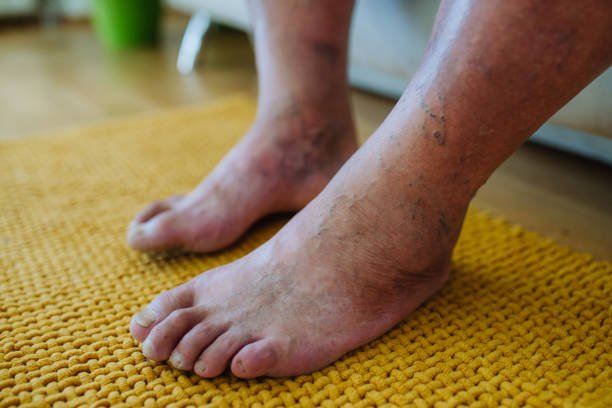
If you are living with diabetes, even a small wound on your foot can quickly turn into a serious medical issue. Many patients tend to ignore minor cuts or sores, but in people with diabetes, these can lead to diabetic foot ulcers. Left untreated, these wounds can worsen, become infected, and in severe cases, even lead to amputation. That's why timely diabetic foot wound treatment is crucial. At Kapadia Multispeciality Hospital, we specialize in early detection and advanced care for diabetic wounds to prevent complications.
Some common challenges faced by patients with diabetic foot include:
- Persistent pain and discomfort while walking
- Slow-healing wounds that keep recurring
- Risk of infection spreading to deeper tissues
- Difficulty wearing footwear due to sores
- Anxiety about long-term mobility and lifestyle changes
If you are experiencing any of these concerns, do not delay. Get in touch with Kapadia Multispeciality Hospital today for expert diabetic wound treatment in Mumbai.
What Causes a Diabetic Foot Wound?
A diabetic foot wound develops due to a combination of factors that affect people with diabetes. High blood sugar levels damage nerves (neuropathy) and reduce blood circulation. As a result:
- Nerve damage means you may not feel pain from small cuts or blisters.
- Poor blood flow makes it harder for oxygen and nutrients to reach the wound.
- Weakened immunity slows down the healing process and increases the risk of infection.
This is why even a minor injury takes much longer to heal, making timely diabetic foot treatment essential.
Types of Diabetic Foot Wounds
Not all diabetic wounds are the same. Understanding the type of wound is important for choosing the right treatment.
1. Neuropathic Ulcers
These occur due to nerve damage and loss of sensation in the feet. Patients may not realize they have wounds until they become severe.
2. Ischemic Ulcers
Caused by poor blood circulation, these ulcers are usually painful and slow to heal.
3. Infected Ulcers
If bacteria enter a wound, it can lead to infection, pus, swelling, and foul odour. Immediate diabetic foot wound treatment is required to prevent spreading.
4. Mixed Ulcers
A combination of neuropathy and poor circulation, these are among the most difficult wounds to treat.
Treatment for Diabetic Sores on Legs and Feet
At Kapadia Multispeciality Hospital, we provide personalised treatment for diabetic sores on legs using advanced techniques. The treatment usually involves:
1. Wound Cleaning and Debridement
Dead tissue is carefully removed to promote healing and reduce infection risk.
2. Infection Control
Antibiotics, antifungal treatments, and proper dressings are used to prevent and control infection.
3. Advanced Dressings
Specialised wound dressings keep the wound moist, control drainage, and promote faster healing.
4. Offloading Techniques
Special shoes, casts, or braces are used to reduce pressure on the wound.
5. Surgical Intervention
In severe cases, surgical procedures may be required to restore blood flow or remove infected tissue.
If you are looking for a diabetic foot ulcer specialist, Kapadia Multispeciality Hospital has a dedicated team with years of experience in handling complex cases.
Importance of Consulting a Diabetic Wound Care Specialist
Self-treating a diabetic wound at home can be dangerous. You need expert medical attention to ensure proper healing. At Kapadia Multispeciality Hospital, our Diabetic Wound Care Specialist in Mumbai:
- Provides accurate diagnosis of the wound type
- Uses advanced technology for effective wound management
- Ensures comprehensive care including lifestyle and diet advice
- Helps prevent recurrence of diabetic foot ulcers
Prevention Tips for Diabetic Foot Wounds
While treatment is essential, prevention plays a major role. Some steps you can take include:
- Checking your feet daily for cuts, blisters, or redness
- Wearing comfortable and protective footwear
- Controlling blood sugar levels through diet and medication
- Avoiding barefoot walking, even at home
- Visiting a diabetic foot ulcer specialist regularly for check-ups
Conclusion
A diabetic foot wound is not something to ignore. Delaying treatment can lead to infections, severe complications, and even amputation in extreme cases. The good news is that with timely diabetic wound treatment, you can heal effectively and prevent future issues.
At Kapadia Multispeciality Hospital, our experienced Diabetic Wound Care Specialists in Mumbai provide advanced care and personalised treatment plans. Don't wait until it's too late, contact us today for effective diabetic foot ulcer treatment.
Frequently Asked Questions
How long does it take for a diabetic foot wound to heal?
It depends on the severity of the wound, blood sugar control, and circulation. With proper care, minor wounds may heal in weeks, while severe ulcers can take months.
Can I treat a diabetic foot ulcer at home?
No, self-treatment can make it worse. Always consult a diabetic foot ulcer specialist for safe and effective treatment.
What is the best treatment for diabetic sores on legs?
The best treatment for diabetic sores on legs includes wound cleaning, infection control, advanced dressings, and specialized footwear to reduce pressure.
Why should I see a Diabetic Wound Care Specialist in Mumbai?
A specialist provides expert care, reduces risks of complications, and ensures faster healing with advanced techniques.
How can I prevent diabetic foot ulcers?
By managing blood sugar, wearing proper footwear, checking feet daily, and consulting doctors regularly.
This article is for general awareness only. It does not replace a consultation, examination, diagnosis or treatment by a qualified doctor.