
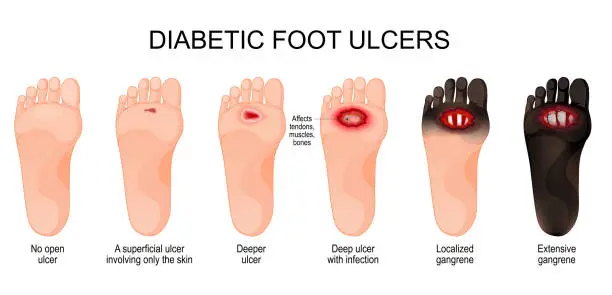
Diabetic foot ulcers (DFUs) are a common and serious complication of diabetes, affecting millions of people worldwide. If left untreated, these ulcers can lead to severe infections, gangrene, and even amputation. Therefore, seeking the right diabetic foot ulcer treatment is crucial for preventing complications and promoting healing.
Understanding Diabetic Foot Ulcers
Diabetic foot ulcers are open sores or wounds that typically develop on the bottom of the foot in people with diabetes. High blood sugar levels can cause nerve damage (neuropathy) and poor blood circulation, making the feet vulnerable to injuries that heal slowly.
Common causes include:
- Peripheral neuropathy
- Poor blood circulation
- Foot deformities
- Uncontrolled blood sugar levels
- Infections from untreated wounds
What is the Best Treatment for Diabetic Foot Ulcers?
The best treatment for a diabetic foot ulcer depends on its severity, the presence of infection, and the patient's overall health. Effective care usually combines several of the following approaches.
Wound Debridement
Debridement removes dead or infected tissue to help the wound heal. Methods include surgical debridement, enzymatic debridement, and mechanical debridement.
Infection Control
Since diabetic foot ulcers are prone to infections, antibiotics may be prescribed. Severe infections may require hospitalization and IV antibiotics.
Pressure Offloading
Relieving pressure on the ulcer supports healing. This may involve specialized footwear, custom orthotics, crutches or wheelchairs.
Advanced Wound Dressings
Modern dressings keep the wound moist and protected. Options include hydrogel dressings, foam dressings, and antimicrobial dressings.
Hyperbaric Oxygen Therapy
HBOT increases oxygen supply to the wound, accelerating healing in non-healing ulcers.
Vascular Treatment
If poor circulation is an issue, procedures like angioplasty or bypass surgery may be needed.
Blood Sugar Management
Controlling diabetes is the foundation of diabetic wound treatment.
Surgical Interventions
In severe cases, surgery may be needed to remove infected bone, correct deformities, or perform amputation.
Why Choose Kapadia Multispeciality Hospital for Diabetic Foot Ulcer Treatment?
- Expert treatment: Specialised care from an experienced wound-care team.
- Personalized care plans: Treatment tailored to each patient's wound and health.
- Advanced therapies: Access to modern wound-healing technologies.
- Multidisciplinary approach: Coordinated care across specialties.
- Preventive education: Guidance to help prevent future ulcers.
How to Prevent Diabetic Foot Ulcers
- Daily foot inspections
- Blood sugar control
- Comfortable footwear
- Avoid barefoot walking
- Moisturize feet
- Regular check-ups
Conclusion
Diabetic foot ulcers require prompt and specialized diabetic foot ulcer treatment to prevent complications. With early care, effective wound management, and good blood sugar control, most ulcers can heal and the risk of serious complications can be reduced. Patients with a diabetic foot ulcer can consult the specialised wound-care team at Kapadia Multispeciality Hospital for assessment and an individual treatment plan.
Frequently Asked Questions
How long does it take for a diabetic foot ulcer to heal?
Healing time varies depending on severity, blood sugar control, and treatment. Minor ulcers may heal in a few weeks, while severe cases can take months.
Can diabetic foot ulcers lead to amputation?
Yes, if left untreated, severe infections or gangrene may require amputation. Early diabetic foot wound treatment reduces this risk.
What is the most effective dressing for diabetic foot ulcers?
Hydrocolloid, hydrogel, and antimicrobial dressings are commonly used. Your doctor will recommend the best option based on the wound condition.
How can I prevent diabetic foot ulcers?
Regular foot inspections, proper footwear, blood sugar control, and professional wound care for diabetic foot ulcers are key preventive measures.
Why is Kapadia Multispeciality Hospital the best for diabetic wound care?
We provide specialized diabetic wound treatment, advanced therapies, and a team of experts to ensure the best outcomes for patients.
This article is for general awareness only. It does not replace a consultation, examination, diagnosis or treatment by a qualified doctor.